





-
-
-
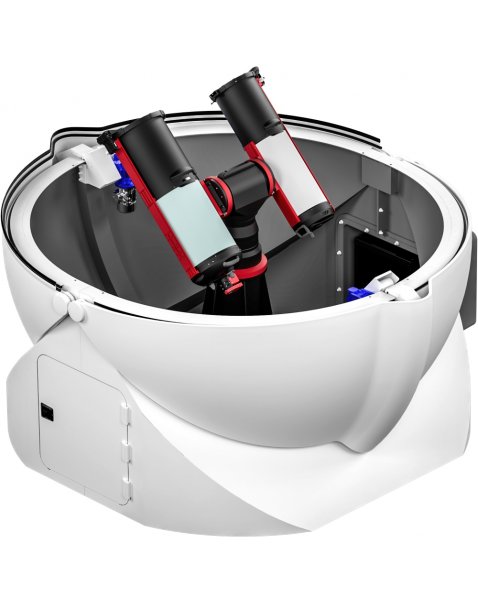
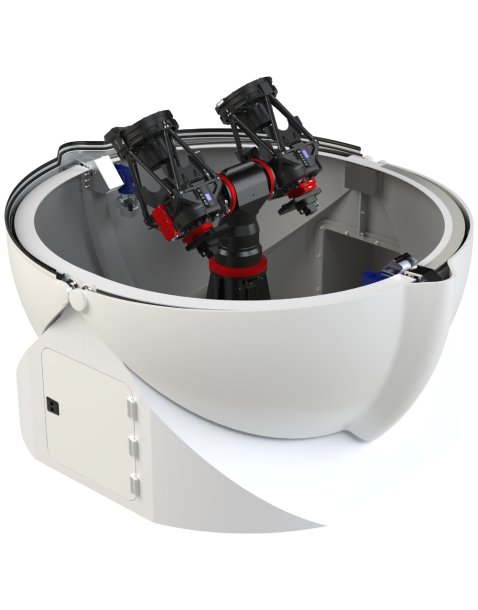 BINO-SSA Observatory Station with large FoV and 3m domeBe the first to review this product$149,000.00
-
-
-
-
-
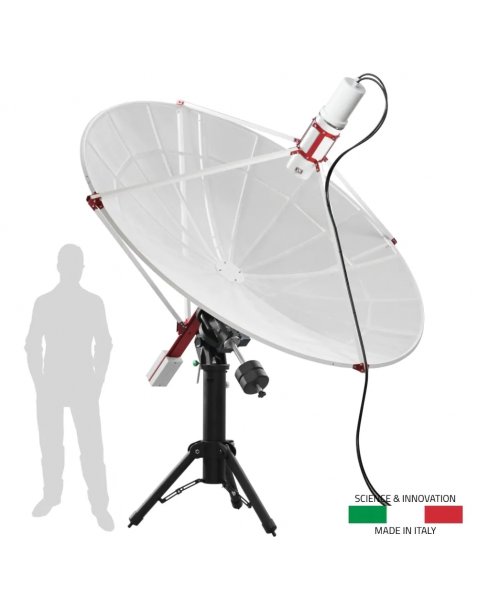 SPIDER 230C compact radio telescope, kit without mountBe the first to review this product$19,450.00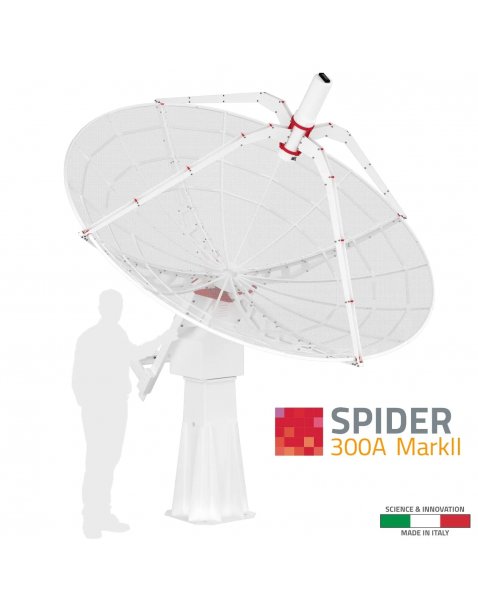
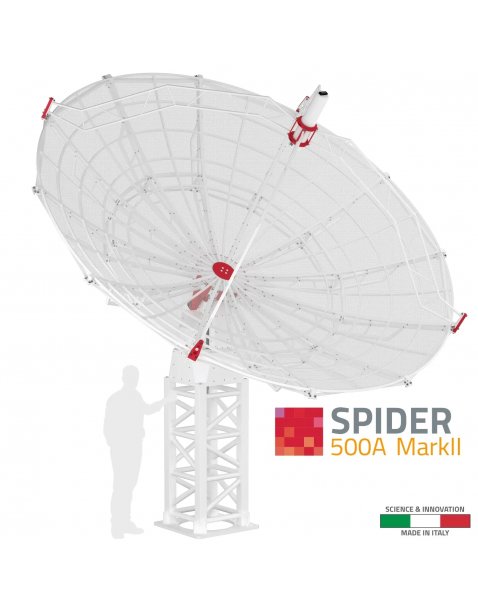 SPIDER 500A MarkII professional radio telescopeBe the first to review this product$109,750.00
- Not available
-
-
-
-
-
-
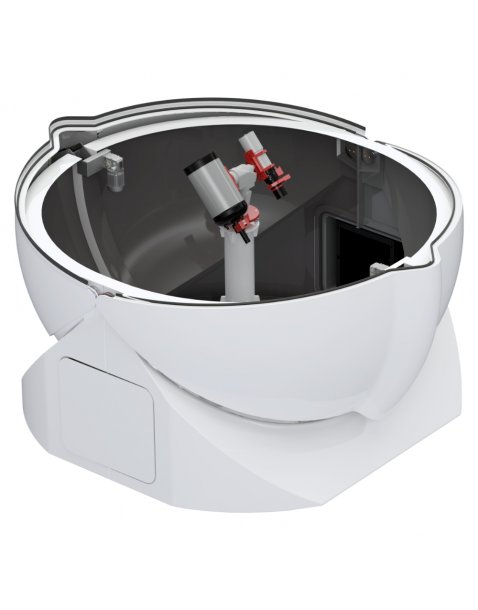
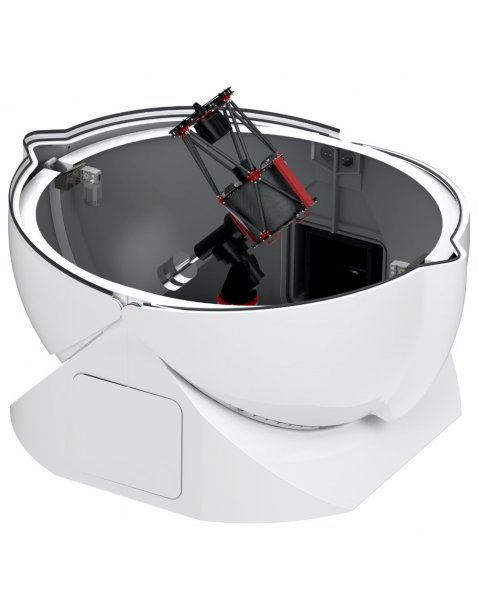
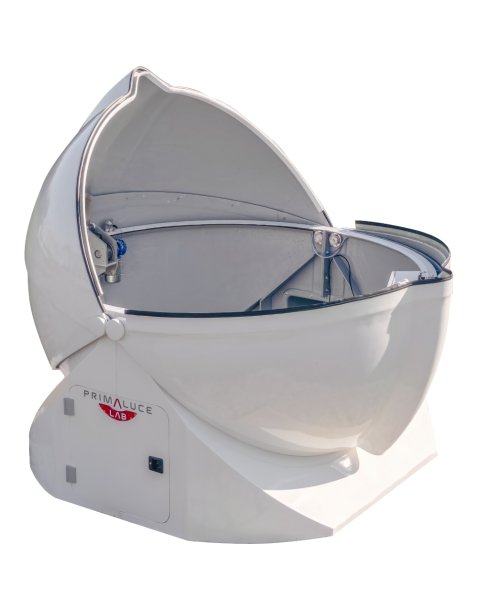 OUTPOST 3M - Computerized clamshell dome for telescopes and space monitoringBe the first to review this product$51,750.00
-
-
-
-
-
-
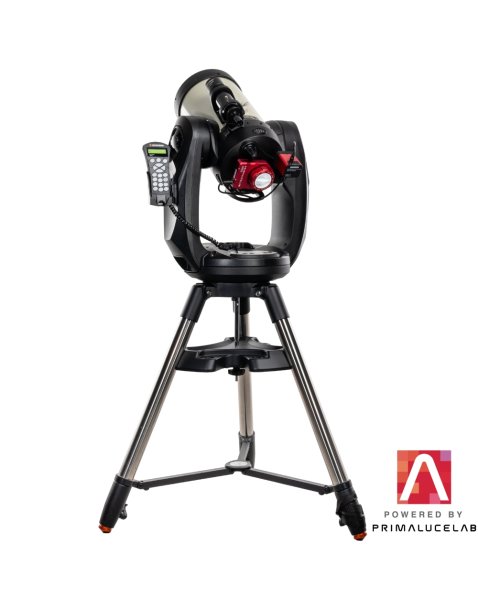 Celestron CPC Deluxe HD 8" powered by PrimaLuceLabBe the first to review this product$3,399.00
- New
- Pack
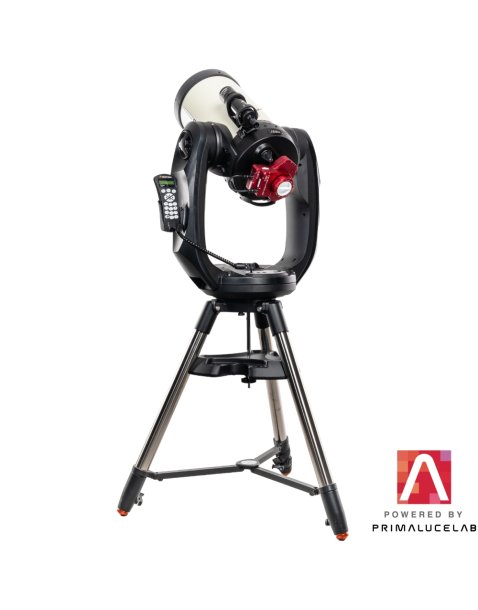 Celestron CPC Deluxe HD 9.25" powered by PrimaLuceLabBe the first to review this product$4,499.00
- New
- Pack
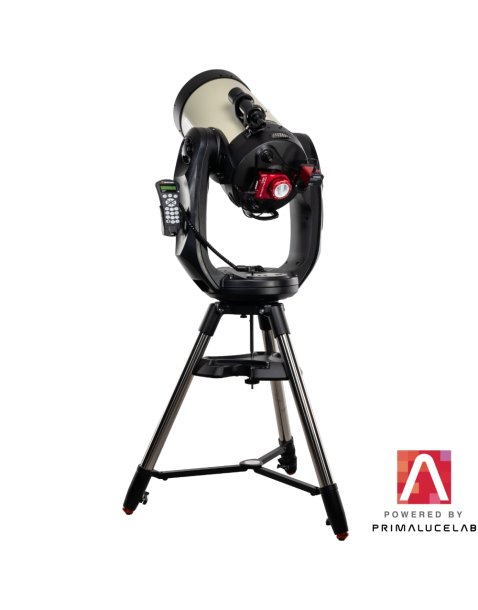 Celestron CPC Deluxe HD 11" powered by PrimaLuceLabBe the first to review this product$5,499.00
- New
- Pack
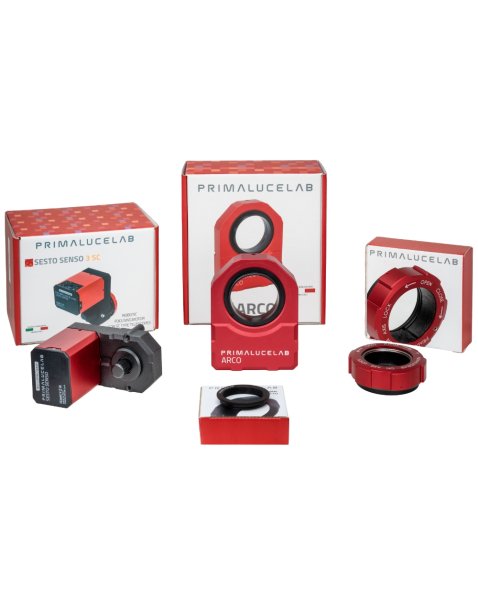 SESTO SENSO + ARCO Base Kit for CPC Deluxe HD 8” and 11"Be the first to review this product$1,444.00
- New
- Pack
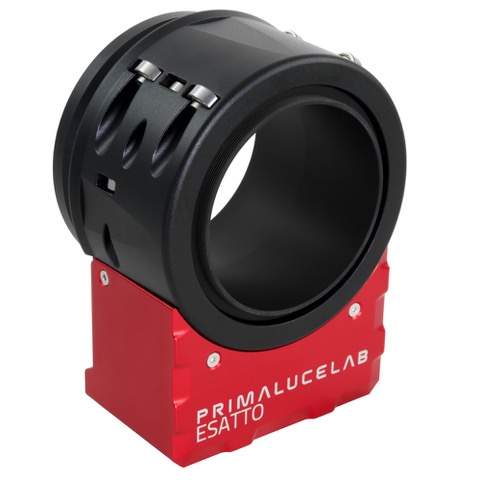
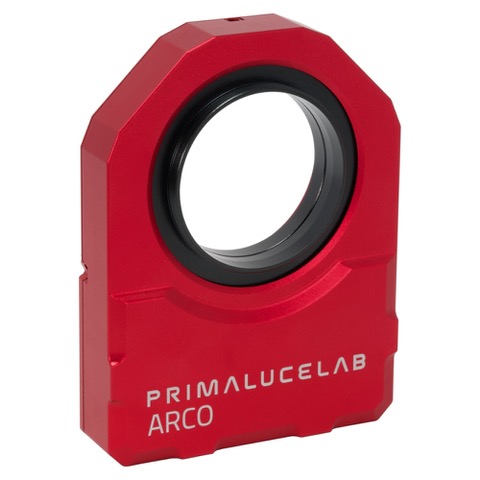
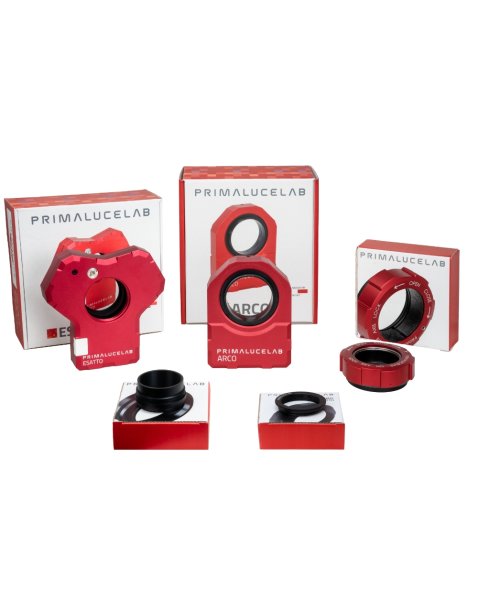 ESATTO + ARCO Base Kit for CPC Deluxe HD 8”, 9.25" and 11"Be the first to review this product$2,189.00
- New
- Pack
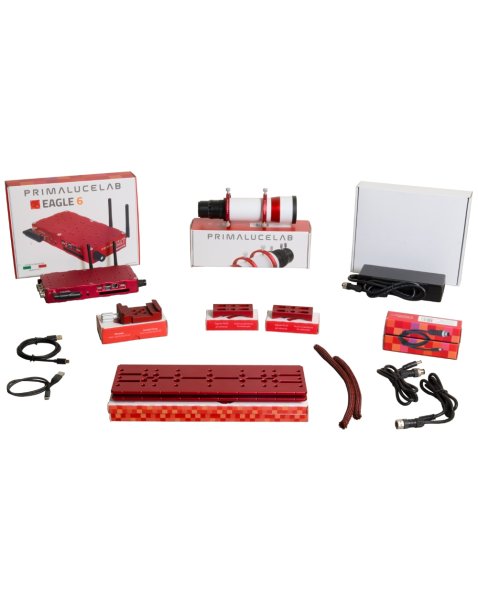
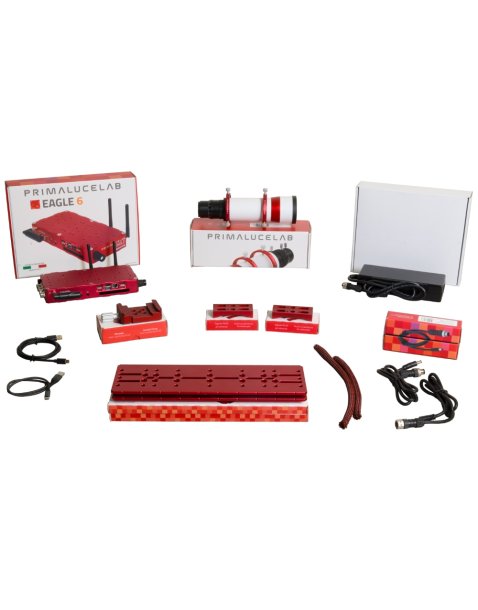 EAGLE expansion kit for CPC Deluxe HD 9.25” and 11"Be the first to review this product$3,361.00
- New
- Pack
-
-
-
-
-
-
-
-
-
-
-
-
-
-
-
-
-
-
Menu
-
-
-
BINO-SSA Observatory Station with large FoV and 3m domeBe the first to review this product$149,000.00
-
-
-
-
-
SPIDER 230C compact radio telescope, kit without mountBe the first to review this product$19,450.00
SPIDER 500A MarkII professional radio telescopeBe the first to review this product$109,750.00
- Not available
-
-
-
-
-
-
OUTPOST 3M - Computerized clamshell dome for telescopes and space monitoringBe the first to review this product$51,750.00
-
-
-
-
-
-
Celestron CPC Deluxe HD 8" powered by PrimaLuceLabBe the first to review this product$3,399.00
- New
- Pack
Celestron CPC Deluxe HD 9.25" powered by PrimaLuceLabBe the first to review this product$4,499.00- New
- Pack
Celestron CPC Deluxe HD 11" powered by PrimaLuceLabBe the first to review this product$5,499.00- New
- Pack
SESTO SENSO + ARCO Base Kit for CPC Deluxe HD 8” and 11"Be the first to review this product$1,444.00- New
- Pack
ESATTO + ARCO Base Kit for CPC Deluxe HD 8”, 9.25" and 11"Be the first to review this product$2,189.00- New
- Pack
EAGLE expansion kit for CPC Deluxe HD 9.25” and 11"Be the first to review this product$3,361.00- New
- Pack
-
-
-
-
-
-
-
-
-
-
-
-
-
-
-
-
-
-

Price starts at
$19,450.00
$19,450.00
Be the first to review this product
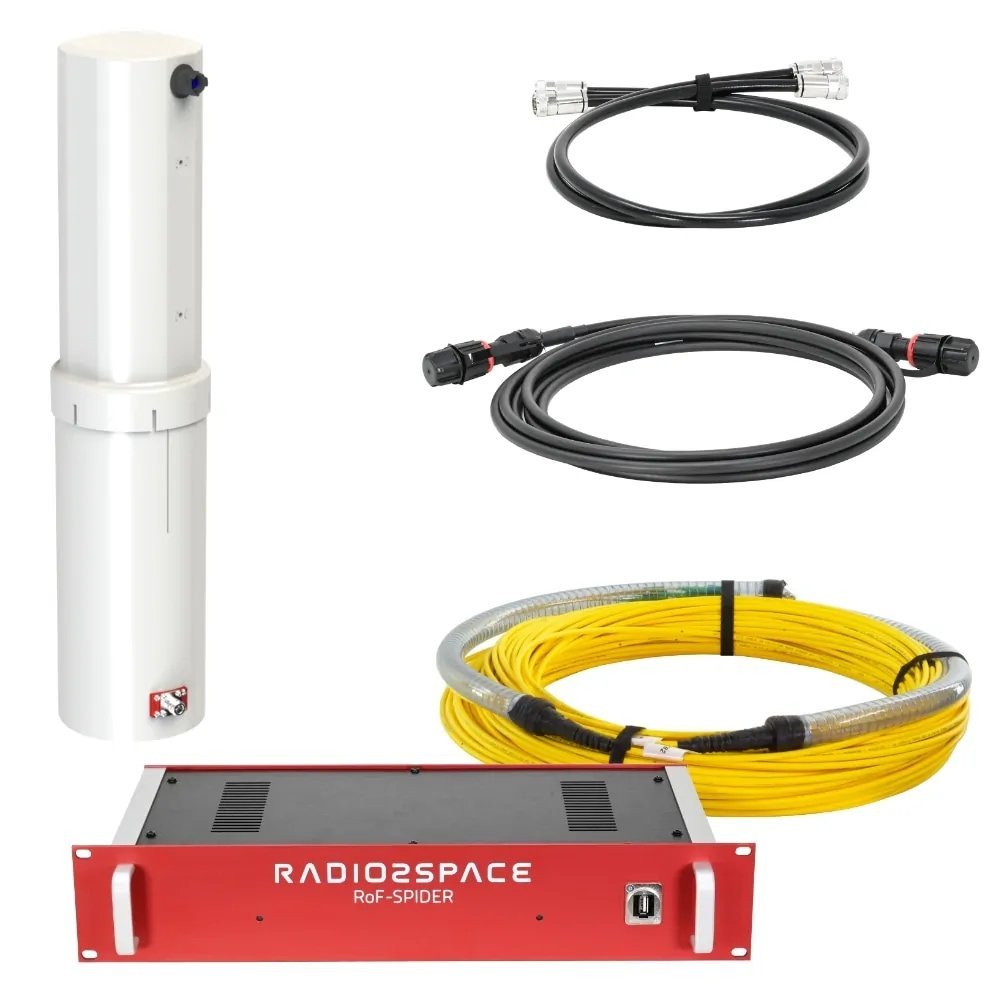
SPIDER 230C is the compact radio telescope that opens the door for anyone to explore the fascinating world of radio astronomy with an affordable, turn-key solution. Designed to be powerful but portable and user-friendly, it bridges the gap between radio astronomy and amateur astronomy technologies.
Built with innovation and our patented technology, the...
Price starts at
$48,750.00
$48,750.00
Be the first to review this product
SPIDER 300A MarkII is the most advanced 3 meter diameter radio telescope for 1420 MHz radio astronomy designed to let schools, universities, scientific museums and other educational institutes own a powerful and affordable instrument! Designed with advanced features usually found only in large professional radio telescopes, and by including all you need...
- Not available
Price starts at
$109,750.00
$109,750.00
Be the first to review this product
SPIDER 500A MarkII is the 5 meter diameter professional radio telescope designed to make 1420 MHz level radio astronomy accessible to everyone: universities, science institutes and museums or space agencies. It offers a large 5 meter diameter antenna to detect weaker signals with a better resolution, the large GS-400II tracking system that provides very...
Which SPIDER radio telescope should you choose?
Choose SPIDER 230C if you need the lowest entry cost, a courtyard installation, or an instrument you can move. It is supplied as a kit without mount, so you install it on a heavy duty mount you already own or on the recommended EQ8 SynScan. It is the practical answer for a school that wants real radio astronomy without a construction project.
Choose SPIDER 300A MarkII if the radio telescope will stay permanently outdoors and be used by classes throughout the year. It is our most installed model. The 3 meter antenna gives enough sensitivity to record hydrogen line spectra, build the rotation curve of the Milky Way and produce radio maps within a single lesson.
Choose SPIDER 500A MarkII if you want to detect weaker sources a smaller antenna cannot record. The 5 meter antenna and the GS-400II tracking system make it the model chosen by university departments and research institutes that publish their observations.
What every SPIDER radio telescope includes
- Prime focus antenna with specially designed front and rear supports.
- 1420 MHz optimised feed and 2 LNAs for LHCP and RHCP circular polarisation.
- Antenna tracking system with automatic slewing and tracking of objects, up to 2°/sec per axis (except “SPIDER 230C kit without mount”).
- High load capacity pier for concrete base (except “SPIDER 230C kit without mount”).
- H142-PRO 1420 MHz radio astronomy receiver, radiometer and spectrometer.
- RadioUniversePRO control and acquisition software for Windows 10 and 11.
- Industrial grade temperature range, from -25°C to +55°C.

See the full specifications of each model
Each SPIDER radio telescope has its own page with the full technical specification and the complete list of what is included. We ship and install worldwide, and we train your staff on site.
SPIDER 230C: 2.3 meter antenna, supplied as a kit without mount, for schools and installations you may need to move.
SPIDER 300A MarkII: 3 meter antenna, our most installed model, for schools, universities and science museums.
SPIDER 500A MarkII: 5 meter antenna, for universities, research institutes and space agencies.
Still deciding? Tell us about your site and your programme, and we will prepare a written quotation you can attach to a funding application.