




-
MenuBack
-
Observatory Stations
-
-
BINO-SSA Observatory Station with large FoV and 3m domeBe the first to review this product$149,000.00
-
-
-
Radio telescopes
-
-
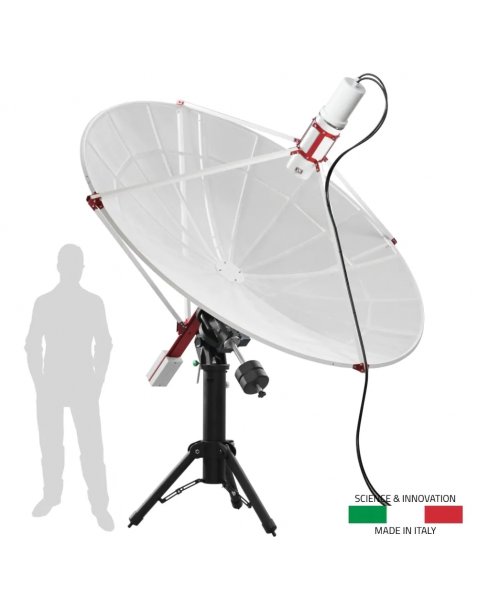
SPIDER 230C compact radio telescope, kit without mountBe the first to review this product$19,450.00
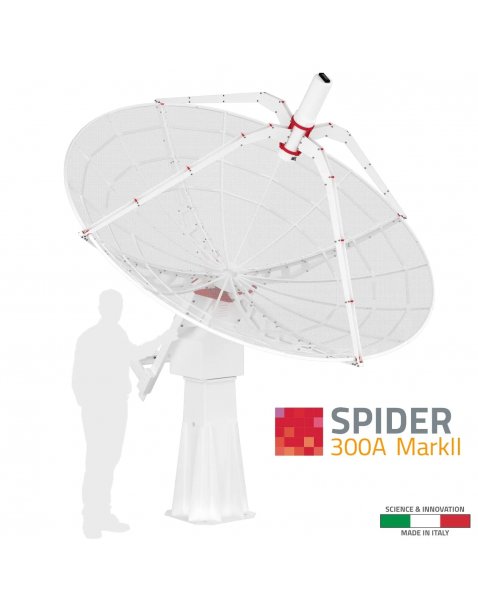
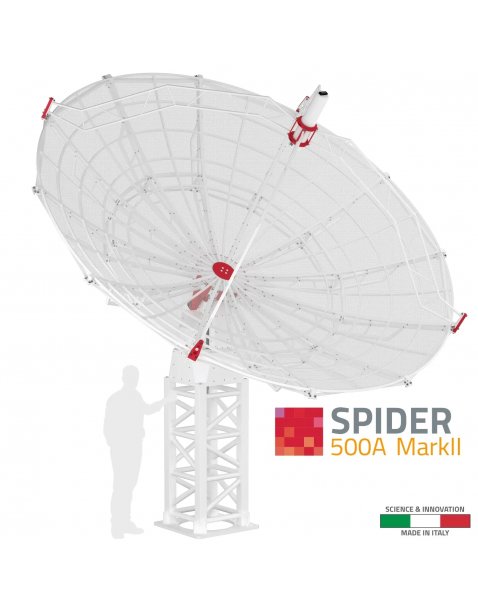
SPIDER 500A MarkII professional radio telescopeBe the first to review this product$109,750.00- Not available
-
-
-
-
Domes
-
-
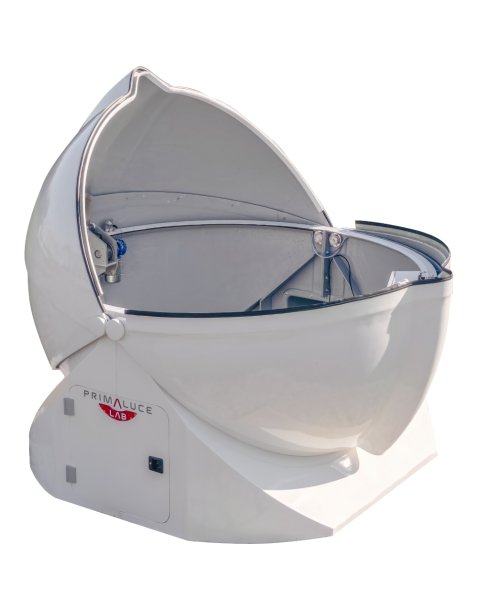
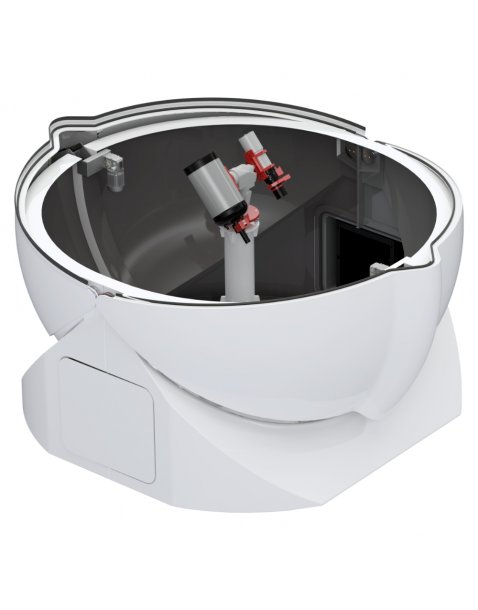
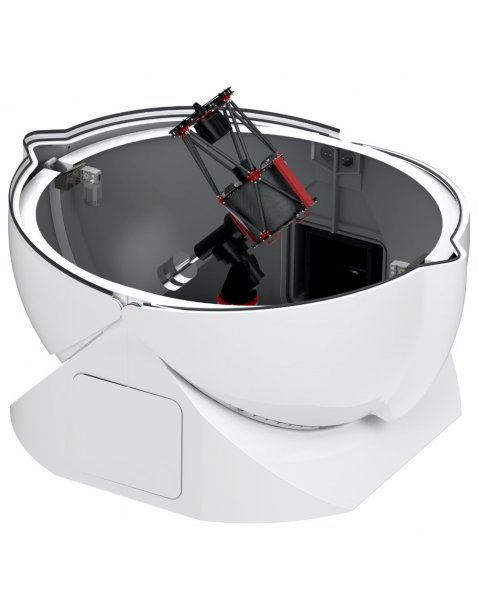
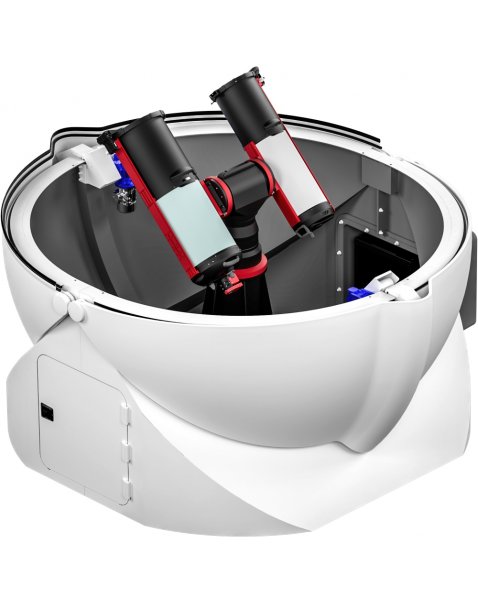
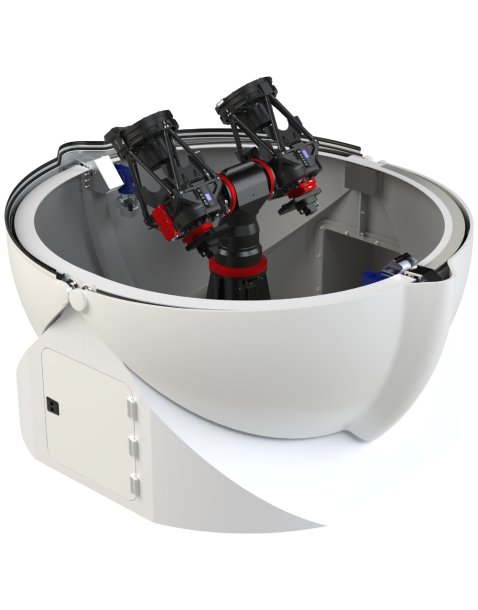
OUTPOST 3M - Computerized clamshell dome for telescopes and space monitoringBe the first to review this product$51,750.00
-
-
-
-
Telescope Kits
-
-
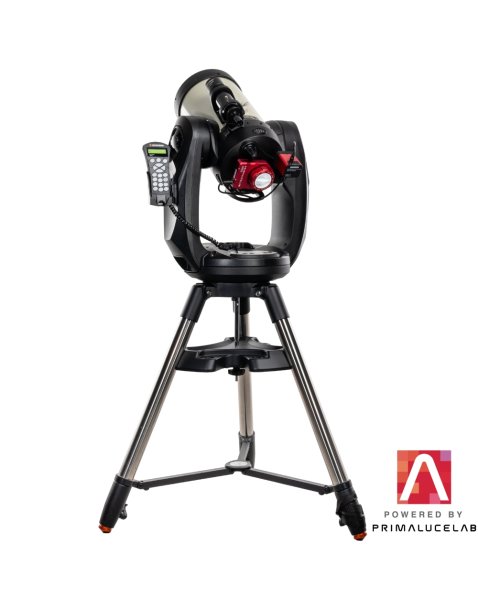
Celestron CPC Deluxe HD 8" powered by PrimaLuceLabBe the first to review this product$3,399.00- New
- Pack
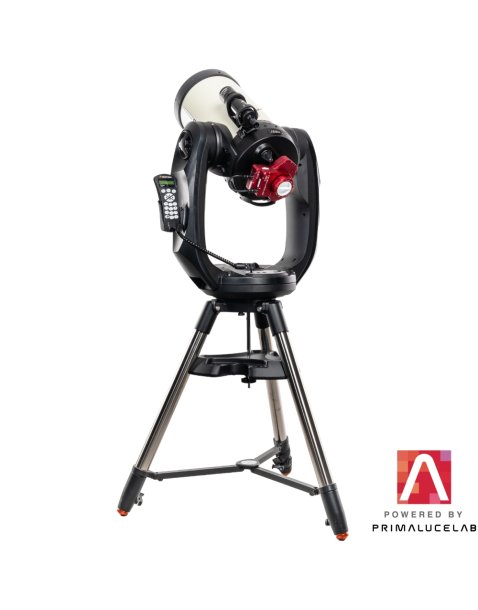
Celestron CPC Deluxe HD 9.25" powered by PrimaLuceLabBe the first to review this product$4,499.00- New
- Pack
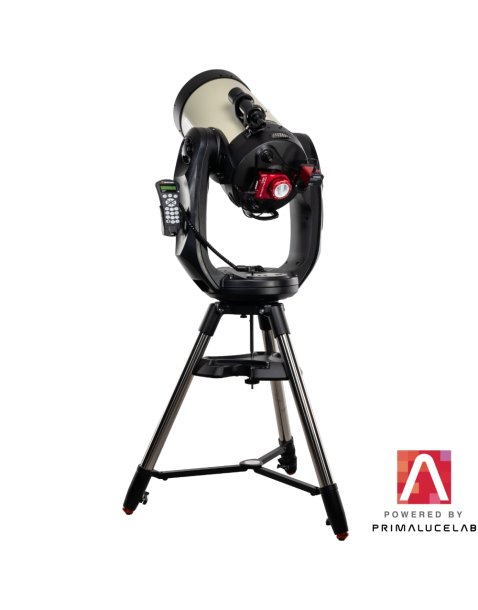
Celestron CPC Deluxe HD 11" powered by PrimaLuceLabBe the first to review this product$5,499.00- New
- Pack
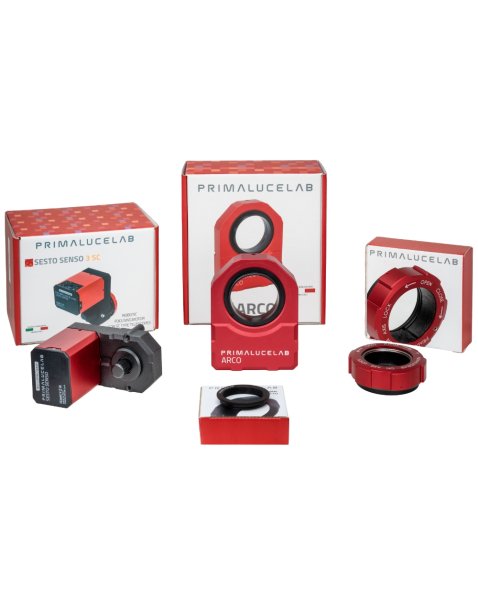
SESTO SENSO + ARCO Base Kit for CPC Deluxe HD 8” and 11"Be the first to review this product$1,444.00- New
- Pack
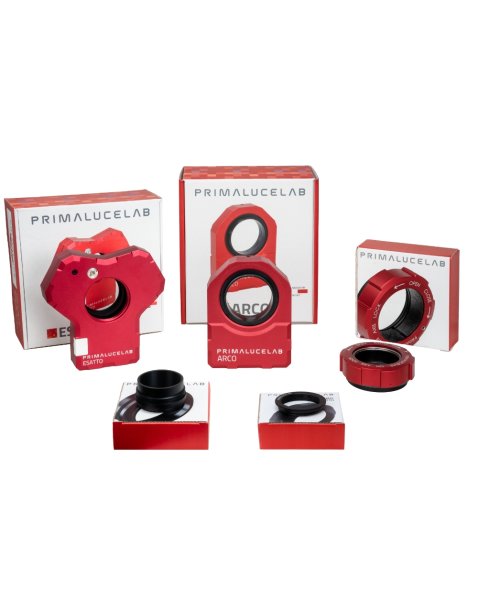
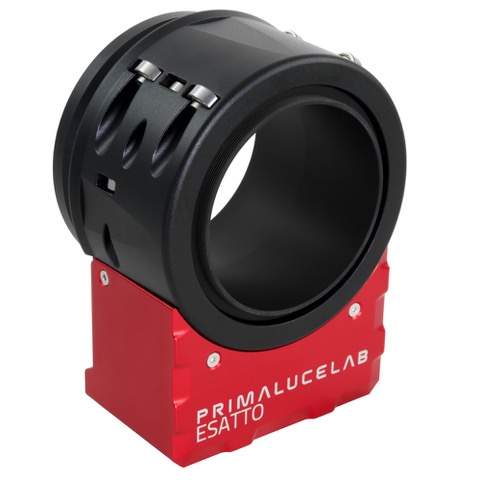
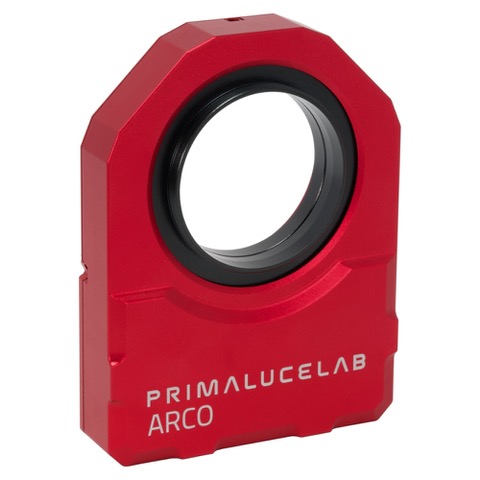
ESATTO + ARCO Base Kit for CPC Deluxe HD 8”, 9.25" and 11"Be the first to review this product$2,189.00- New
- Pack
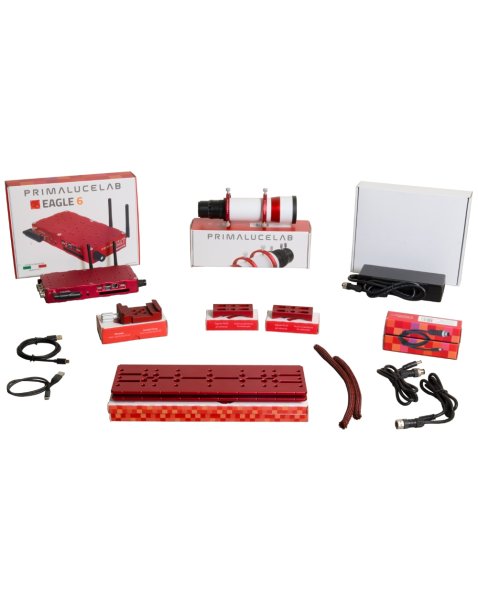
EAGLE expansion kit for CPC Deluxe HD 9.25” and 11"Be the first to review this product$3,361.00- New
- Pack
-
-
-
Optical tubes
-
-
Mounts
-
-
Computer
-
-
Focusers
-
-
Rotators
-
-
Calibration
-
-
Dovetail bars and rings
-
-
Various accessories
-
-
MenuBack
-
Observatory Stations
-
-
BINO-SSA Observatory Station with large FoV and 3m domeBe the first to review this product$149,000.00
-
-
-
Radio telescopes
-
-
SPIDER 230C compact radio telescope, kit without mountBe the first to review this product$19,450.00
SPIDER 500A MarkII professional radio telescopeBe the first to review this product$109,750.00- Not available
-
-
-
-
Domes
-
-
OUTPOST 3M - Computerized clamshell dome for telescopes and space monitoringBe the first to review this product$51,750.00
-
-
-
-
Telescope Kits
-
-
Celestron CPC Deluxe HD 8" powered by PrimaLuceLabBe the first to review this product$3,399.00- New
- Pack
Celestron CPC Deluxe HD 9.25" powered by PrimaLuceLabBe the first to review this product$4,499.00- New
- Pack
Celestron CPC Deluxe HD 11" powered by PrimaLuceLabBe the first to review this product$5,499.00- New
- Pack
SESTO SENSO + ARCO Base Kit for CPC Deluxe HD 8” and 11"Be the first to review this product$1,444.00- New
- Pack
ESATTO + ARCO Base Kit for CPC Deluxe HD 8”, 9.25" and 11"Be the first to review this product$2,189.00- New
- Pack
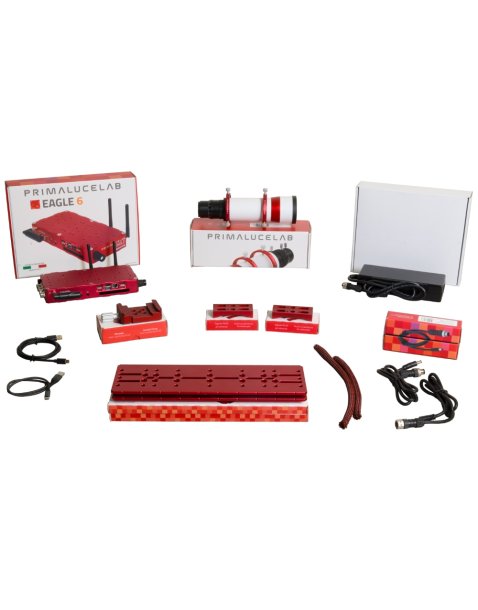
EAGLE expansion kit for CPC Deluxe HD 9.25” and 11"Be the first to review this product$3,361.00- New
- Pack
-
-
-
Optical tubes
-
-
Mounts
-
-
Computer
-
-
Focusers
-
-
Rotators
-
-
Calibration
-
-
Dovetail bars and rings
-
-
Various accessories
-
1420 MHz · Hydrogen line radio astronomy
RADIO TELESCOPES FOR RADIO ASTRONOMY
Turn-key instruments for schools, universities, planetariums and research institutes. Observe the 21 cm hydrogen line in daylight, under cloud, at any time of the day.
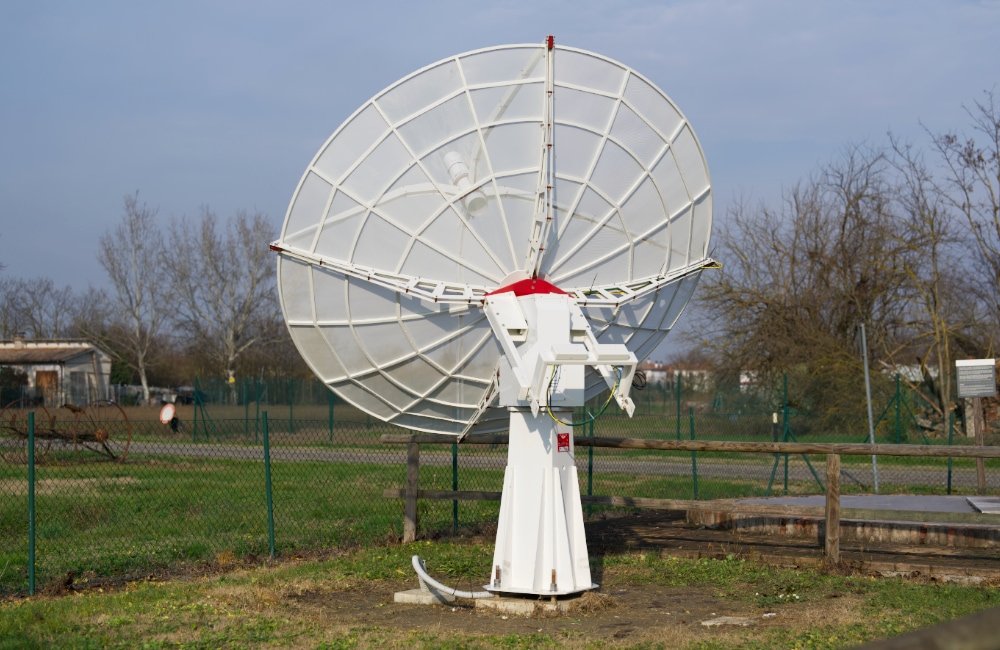
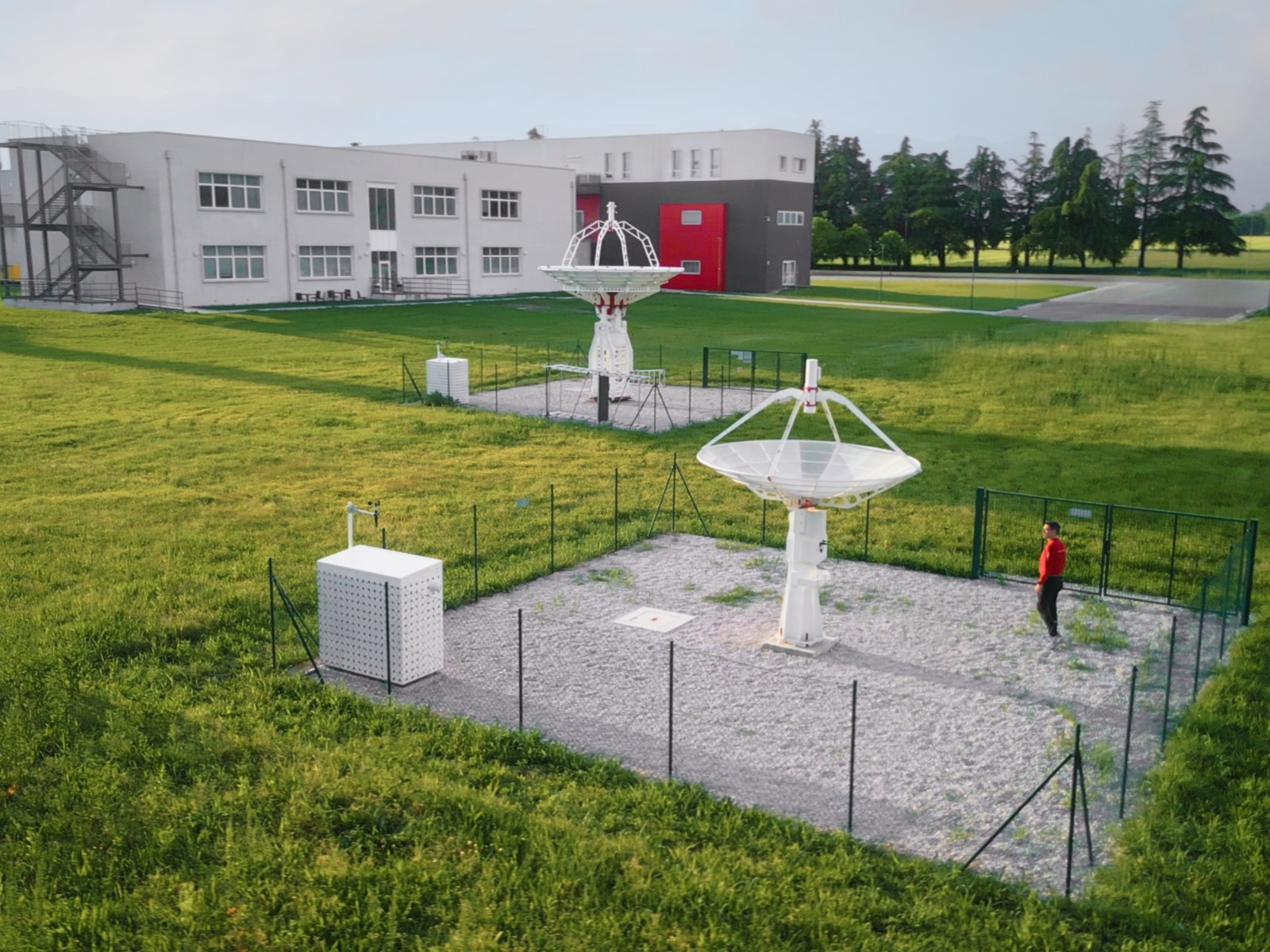
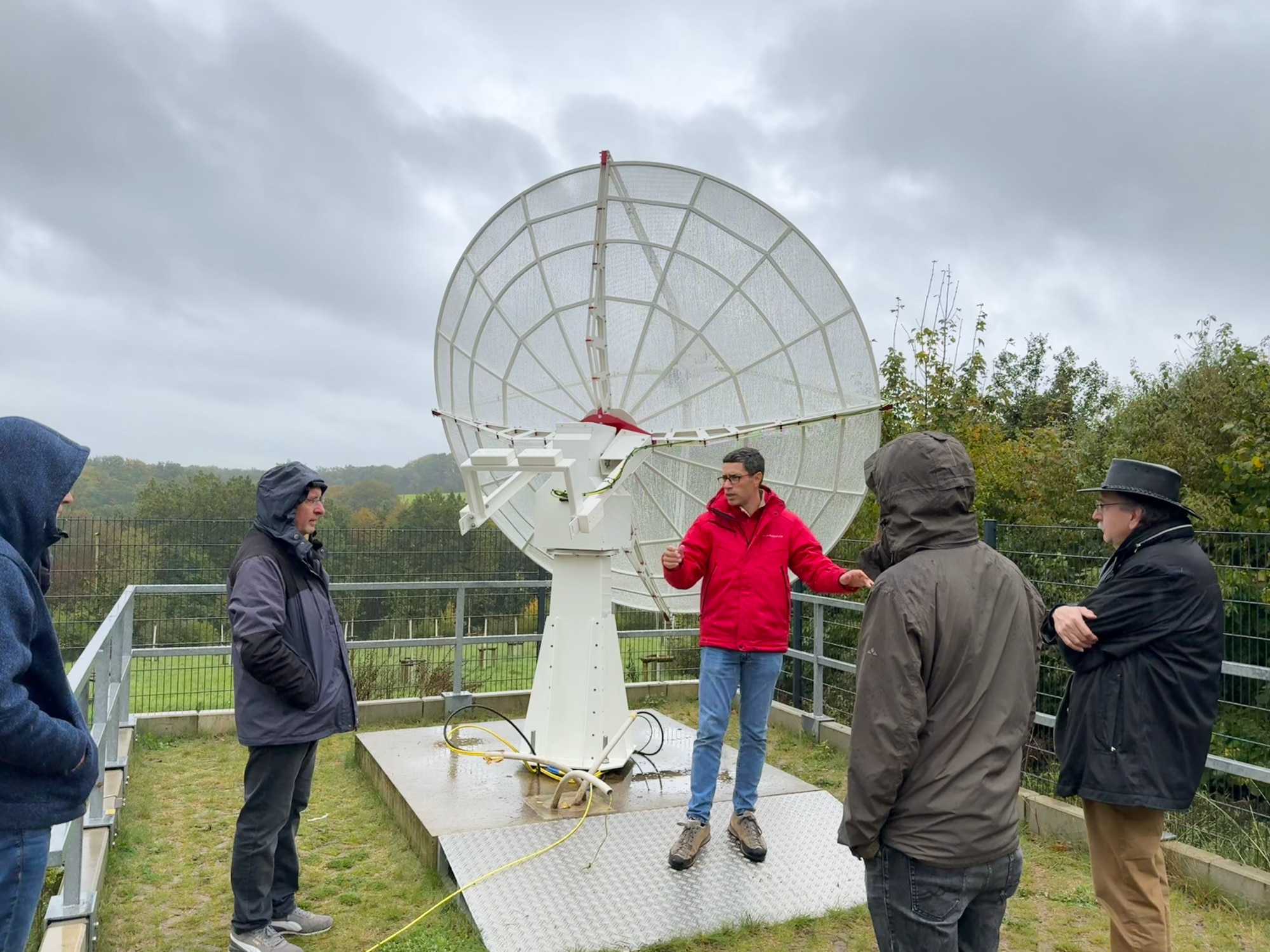
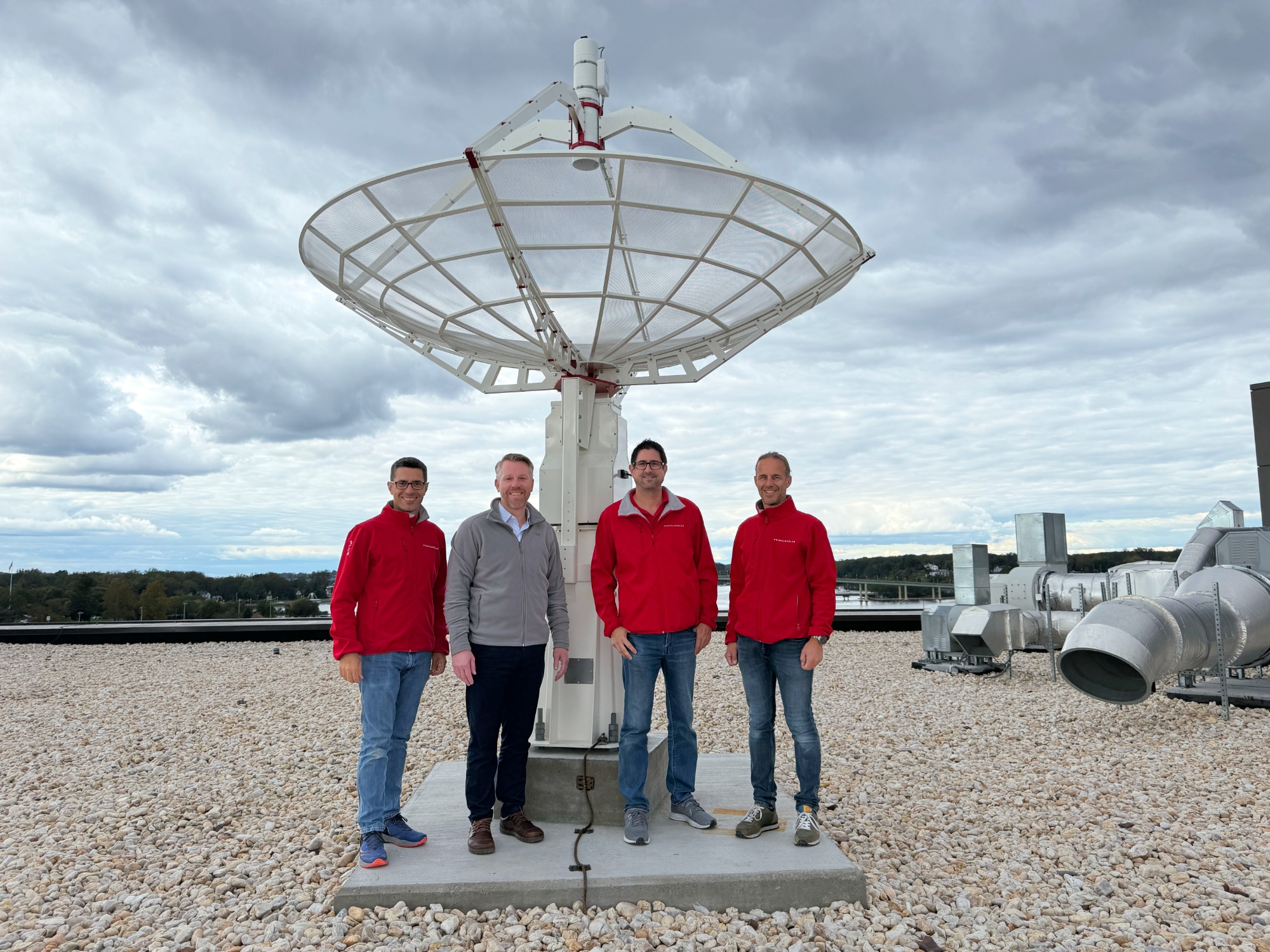
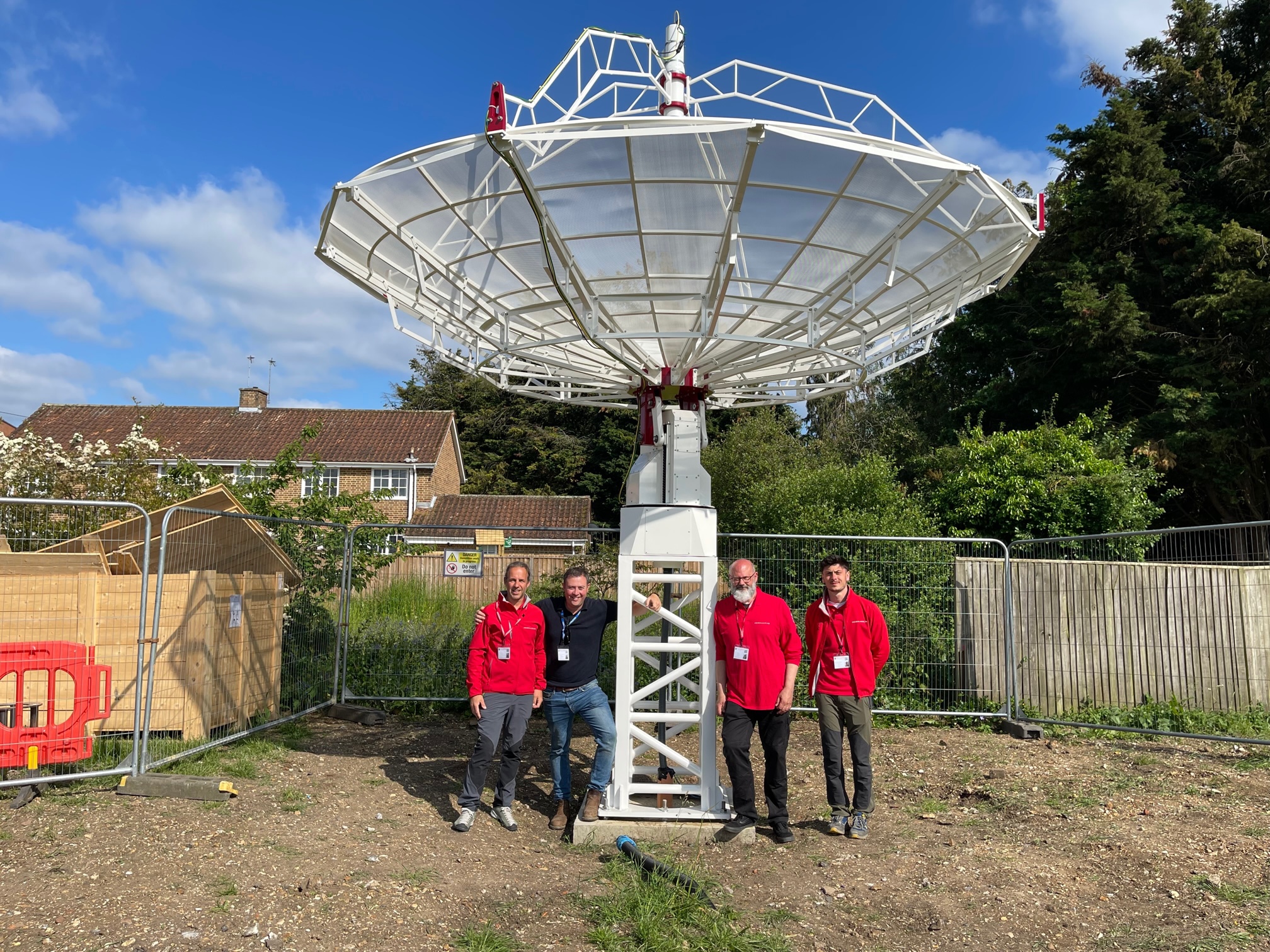
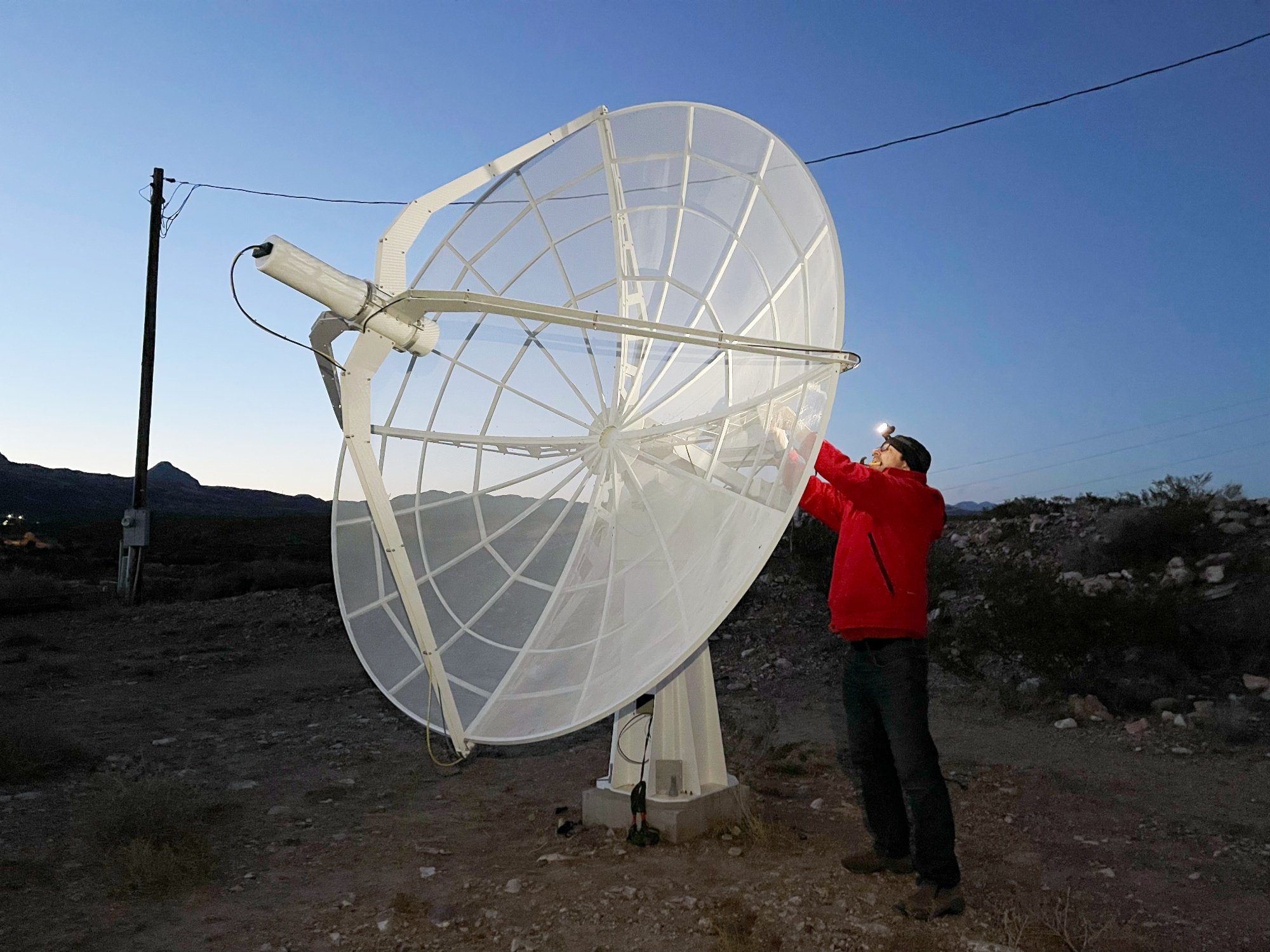
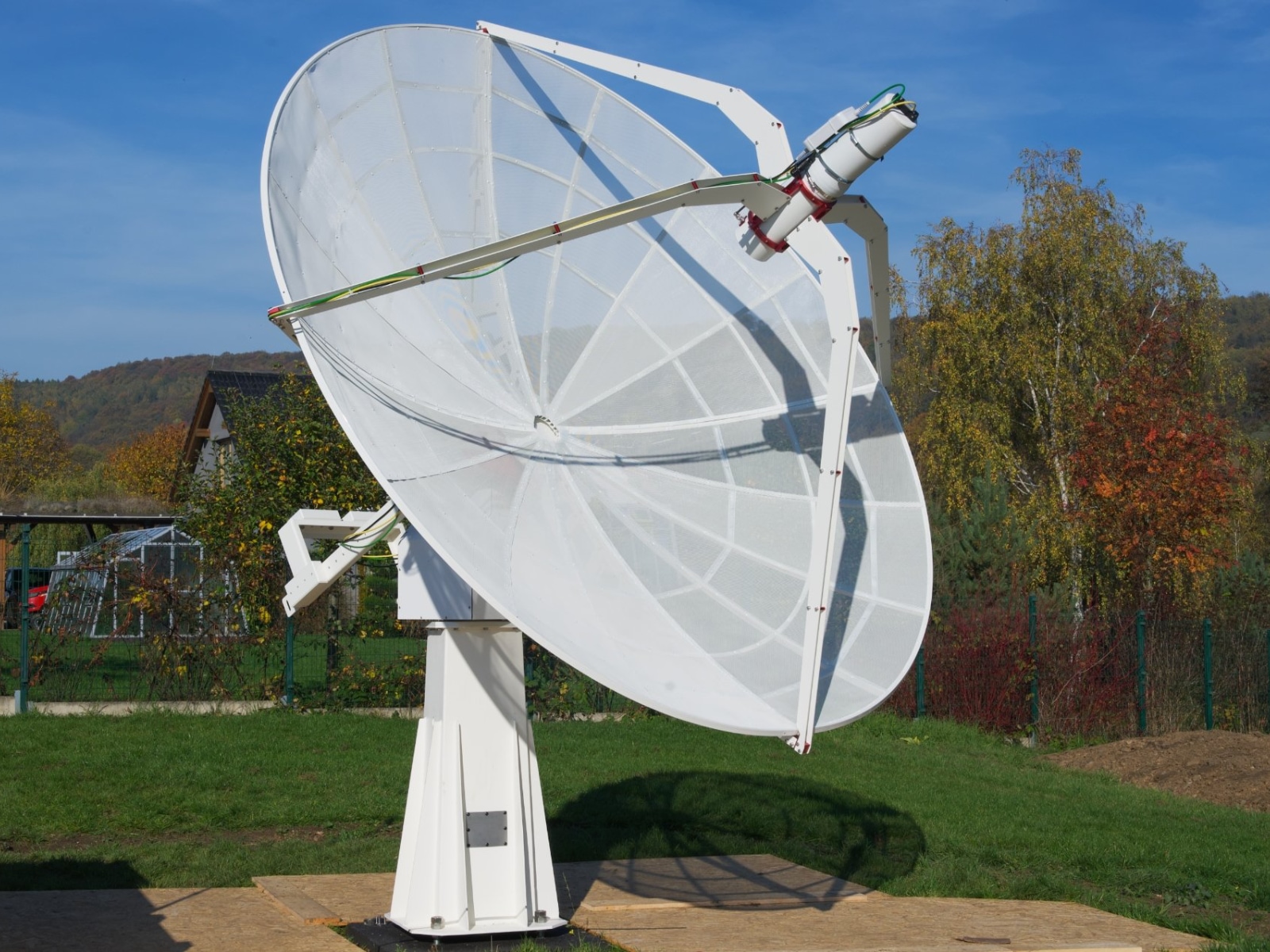
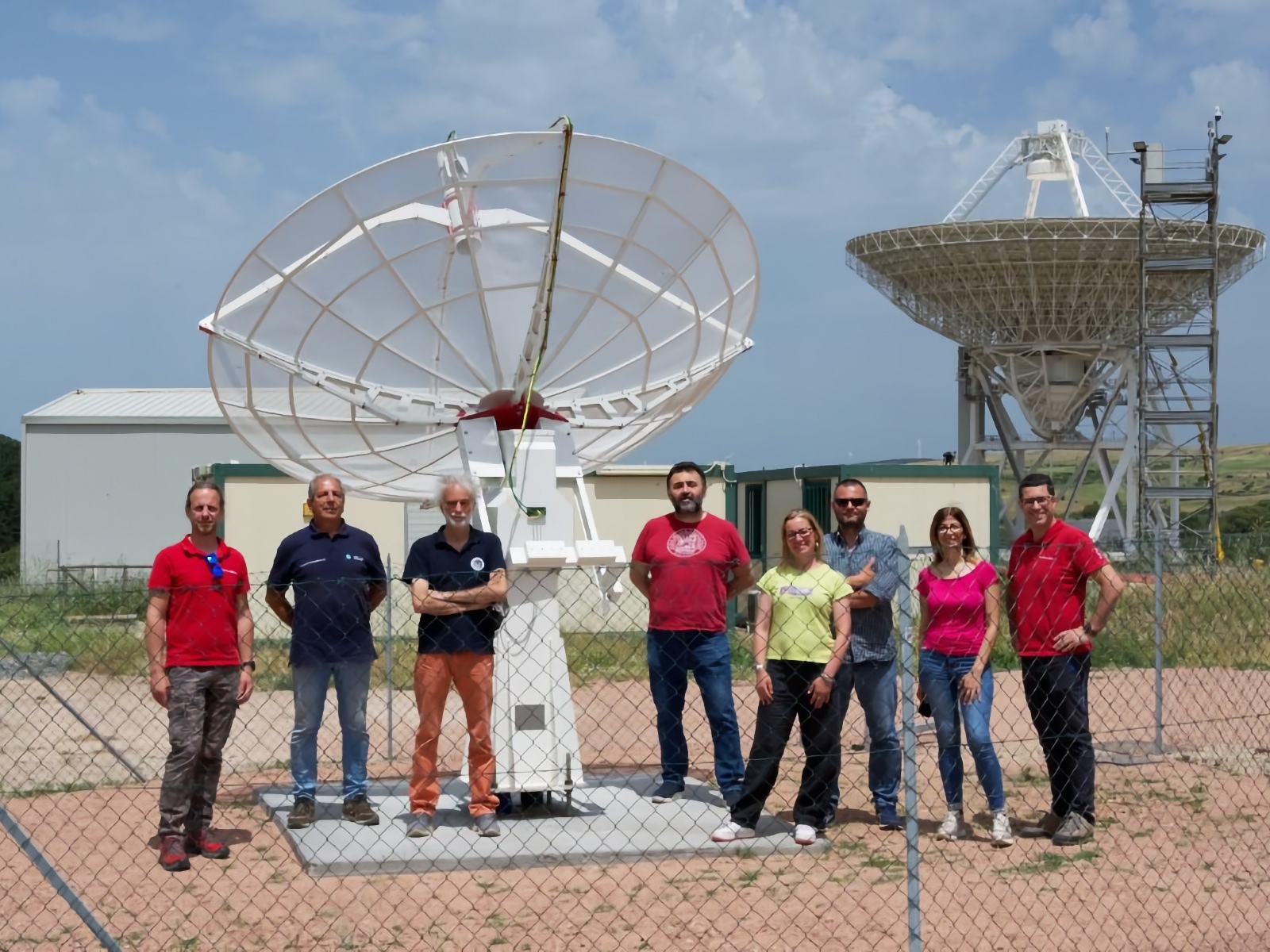
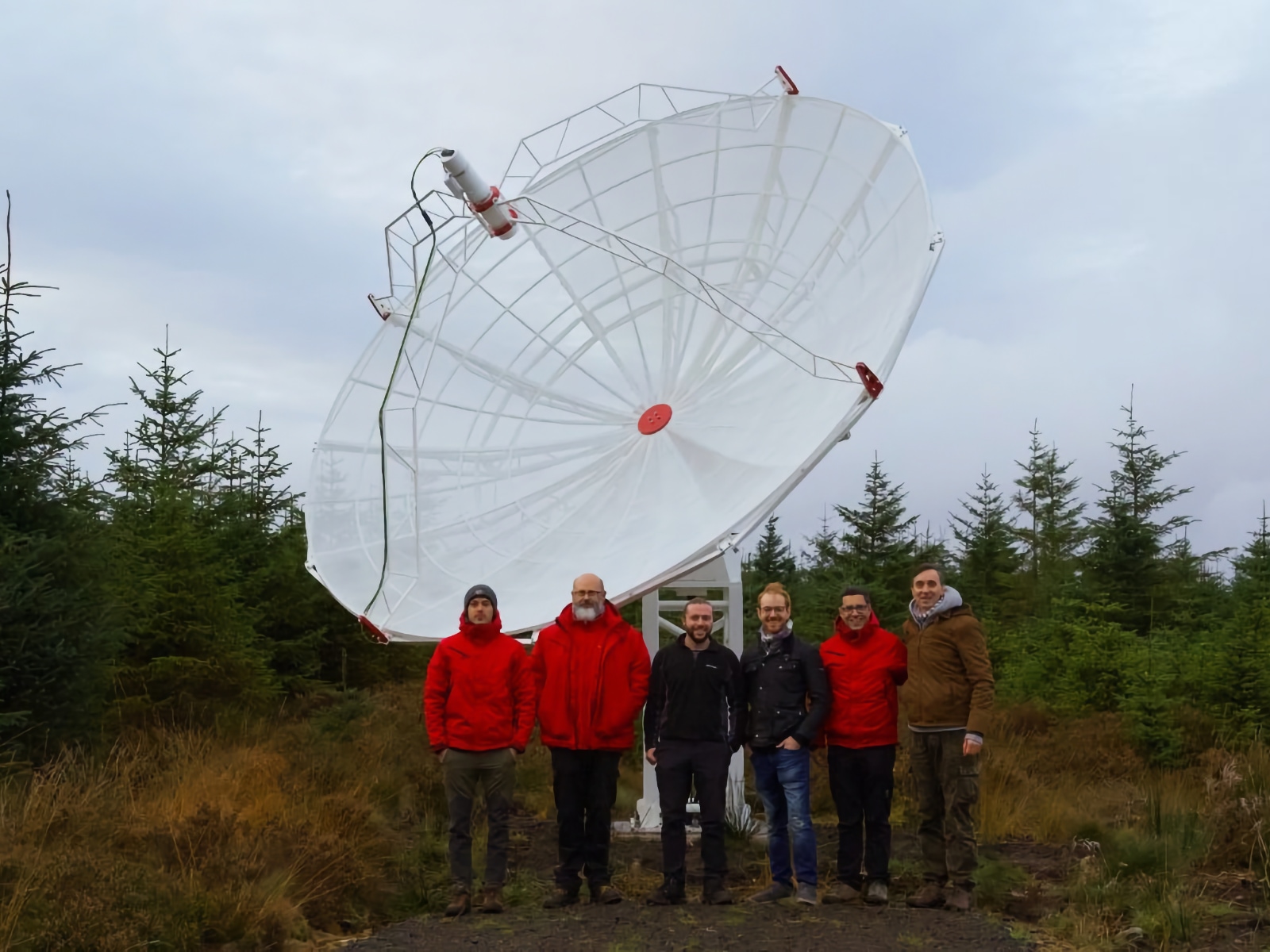
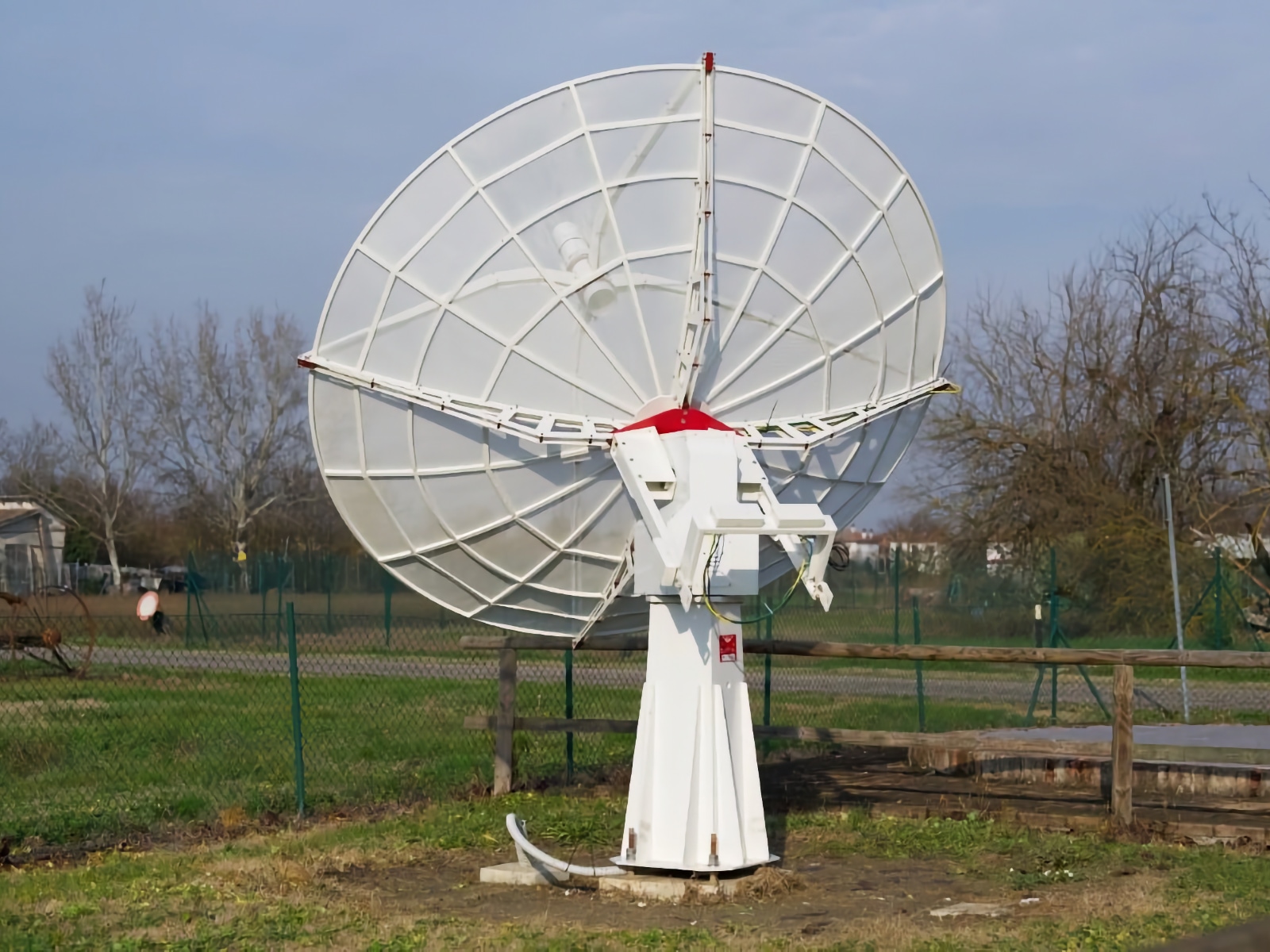
A SPIDER radio telescope is a complete instrument, specifically developed as a professional but compact radio telescope, not a set of parts. Antenna, low noise amplifiers, 1420 MHz receiver, spectrometer, tracking system and control software arrive as one system, tested in our factory before it ships. We design and manufacture everything in Italy, and we install it on your site.
2.3 – 5 m antenna diameter, 1024 Spectrometer channels, 40+ Installed worldwide

SPIDER radio telescopes for radio astronomy
THREE RADIO TELESCOPES, ONE SYSTEM ARCHITECTURE
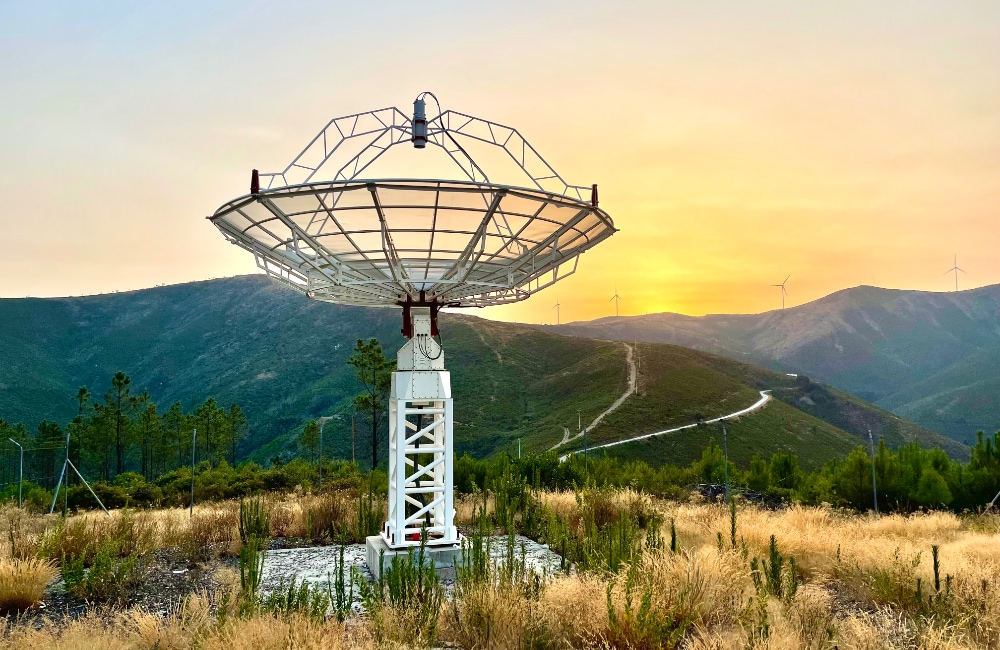
All three SPIDER models share the same receiver chain, the same RadioUniversePRO control software and the same weatherproof tracking system. What changes is collecting area. A larger antenna detects weaker sources and separates detail that a smaller one blends together. Main features:
- Prime focus antenna with special designed front and rear supports.
- 1420 MHz optimised feed and 2 LNAs for LHCP and RHCP circular polarisation.
- Antenna tracking system with automatic slewing and tracking of objects (except “SPIDER 230C kit without mount”).
- High load capacity pier for concrete base (except “SPIDER 230C kit without mount”).
- H142-PRO 1420 MHz radio astronomy receiver, radiometer and spectrometer.
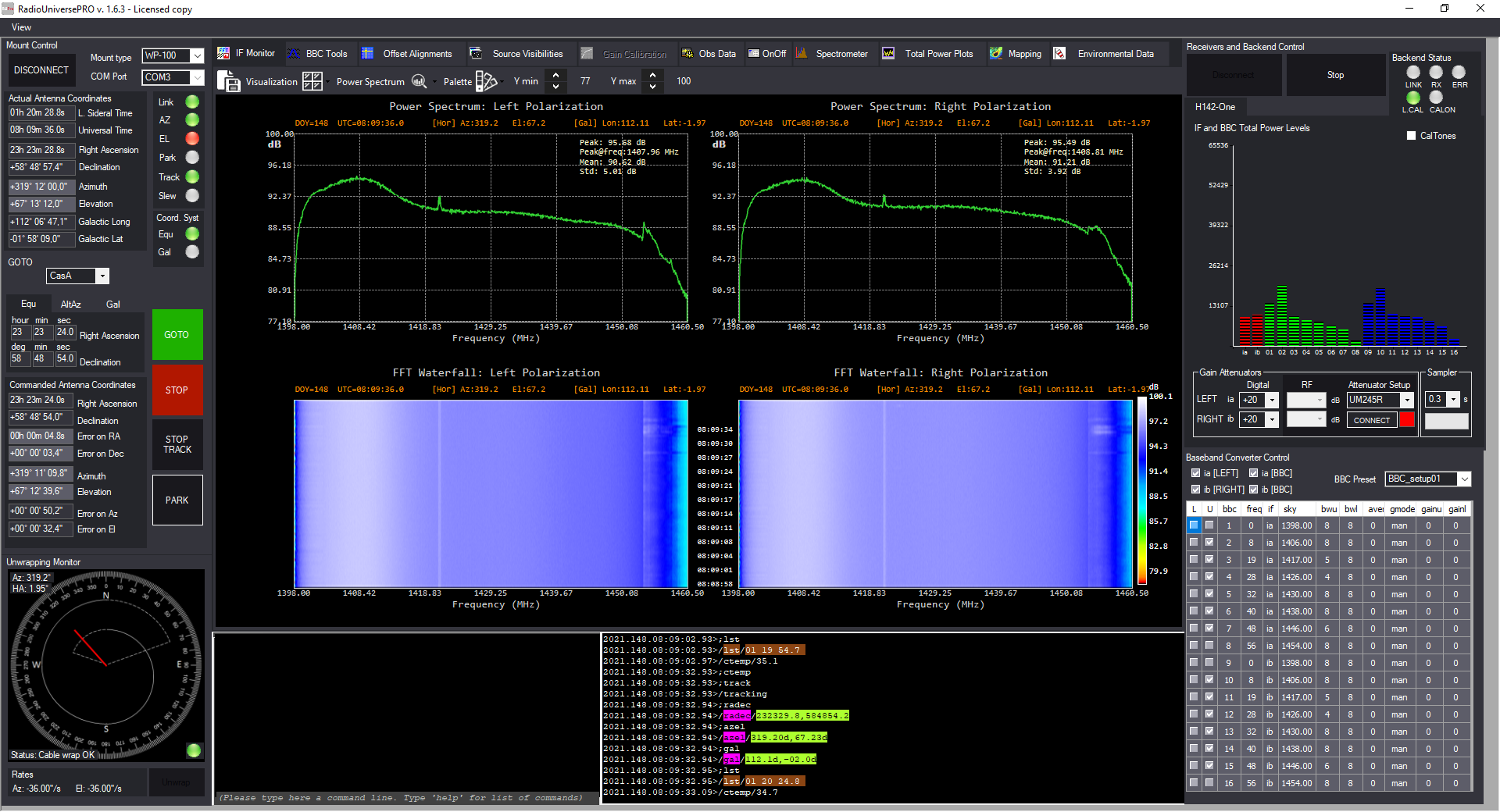
- RadioUniversePRO control and acquisition software.
SPIDER radio telescopes for radio astronomy are available in diameters from 2.3 meters to 5 meters, offering various types of antenna tracking systems with high precision and load capacity. SPIDER radio telescopes for radio astronomy come with a special 1420 MHz receiver and a full remote control and acquisition software.
$19,450.00
$48,750.00
$109,750.00
Teaching and research programmes
WHAT STUDENTS AND RESEARCHERS ACTUALLY MEASURE
A radio telescope is bought for the observations it makes possible. These are the four programmes every SPIDER owner runs.
The 21 cm hydrogen line
Neutral hydrogen emits at 1420.406 MHz. Point the antenna at the galactic plane and the peak appears on screen in seconds. It is the clearest introduction to spectroscopy a student can have, because the physics is visible in the shape of the line.
Continuum radio sources and flux calibration
Detect Cassiopeia A, Cygnus A and the Sun through cross scans and transits. With the NSGen-II noise generator you can calculate flux of the source in Jansky, so the measurement is absolute and comparable with published values.
The rotation curve of the Milky Way
Record hydrogen spectra at different galactic longitudes and read the Doppler shift of each peak. From those velocities a class reconstructs how our galaxy rotates, and finds the evidence that led astronomers to dark matter. This is a full laboratory course from one instrument.
Radio maps of the sky
Raster scan a region and RadioUniversePRO builds a radio map of an area your students cannot see with any optical telescope. It is the moment the invisible sky becomes an image they made themselves.

RADIO ASTRONOMY WORKS ALSO WHEN OPTICAL ASTRONOMY CANNOT
An optical telescope needs a clear, dark night. That is the single biggest problem for a school or a university department, because lessons happen during the day and the weather does not follow the timetable.
At 1420 MHz the sky behaves differently. The Sun does not blind the receiver, clouds are transparent, and rain is not a limitation. A class can point the antenna at 11 in the morning and record a hydrogen line spectrum before the bell. The same instrument runs unattended at night for a research programme.
This is why radio astronomy has become the practical way to give students real observations instead of archive data. They point the telescope, they collect the signal, they reduce the measurement themselves.
How a project runs
FROM FIRST ENQUIRY TO FIRST SPECTRUM
01: Site location and quotation
Tell us where the antenna will stand, how far the control room is and what your programme needs. We review interference conditions, cable runs and foundation requirements, then quote the configuration that fits. We supply the technical documentation your procurement office needs to open the file.
02: Manufacturing and delivery
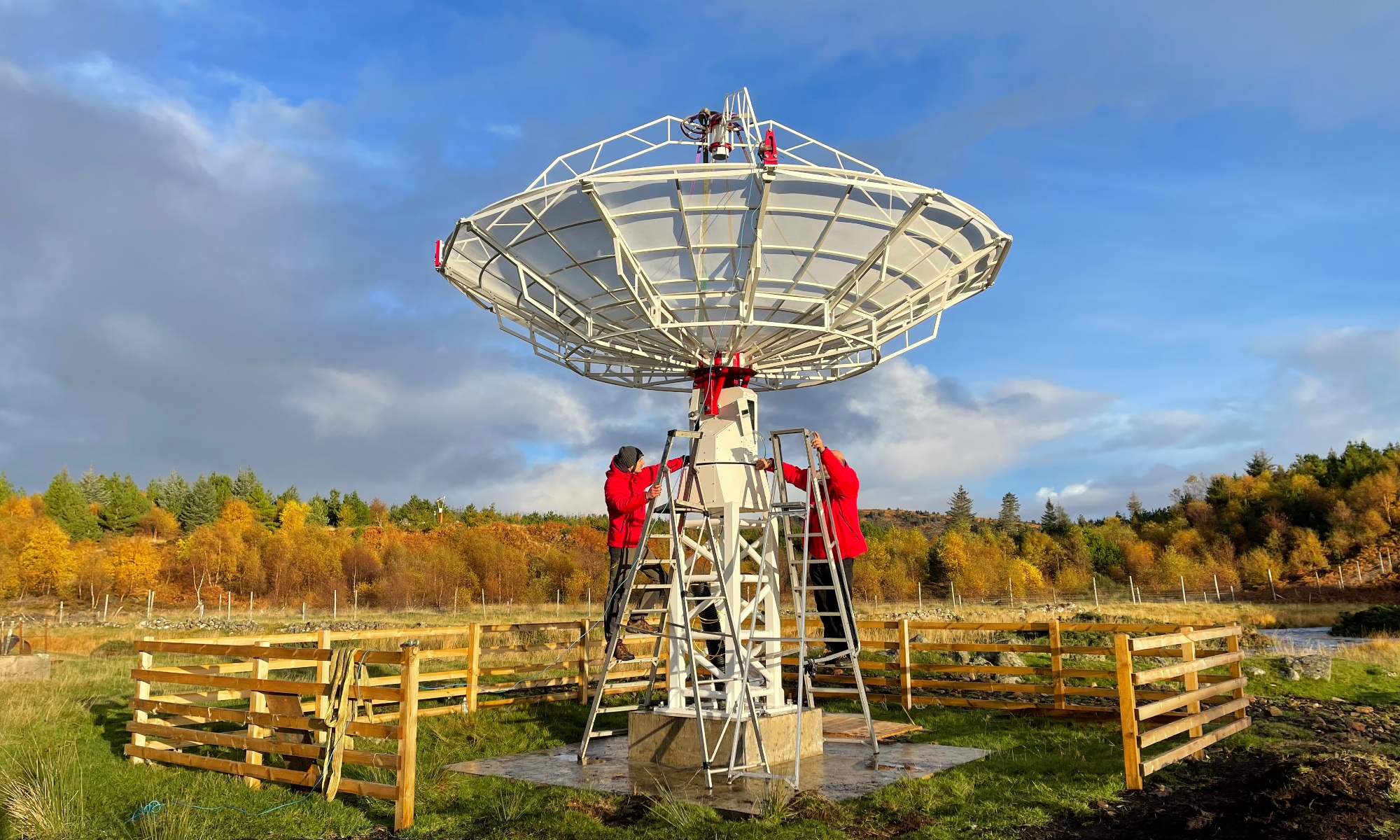
Every SPIDER is assembled and tested in our factory in Italy, before it ships. Crates are prepared for your destination and we handle documentation for worldwide delivery. Typical lead time is from 1 to 4 months from order.
03: Installation, alignment and training
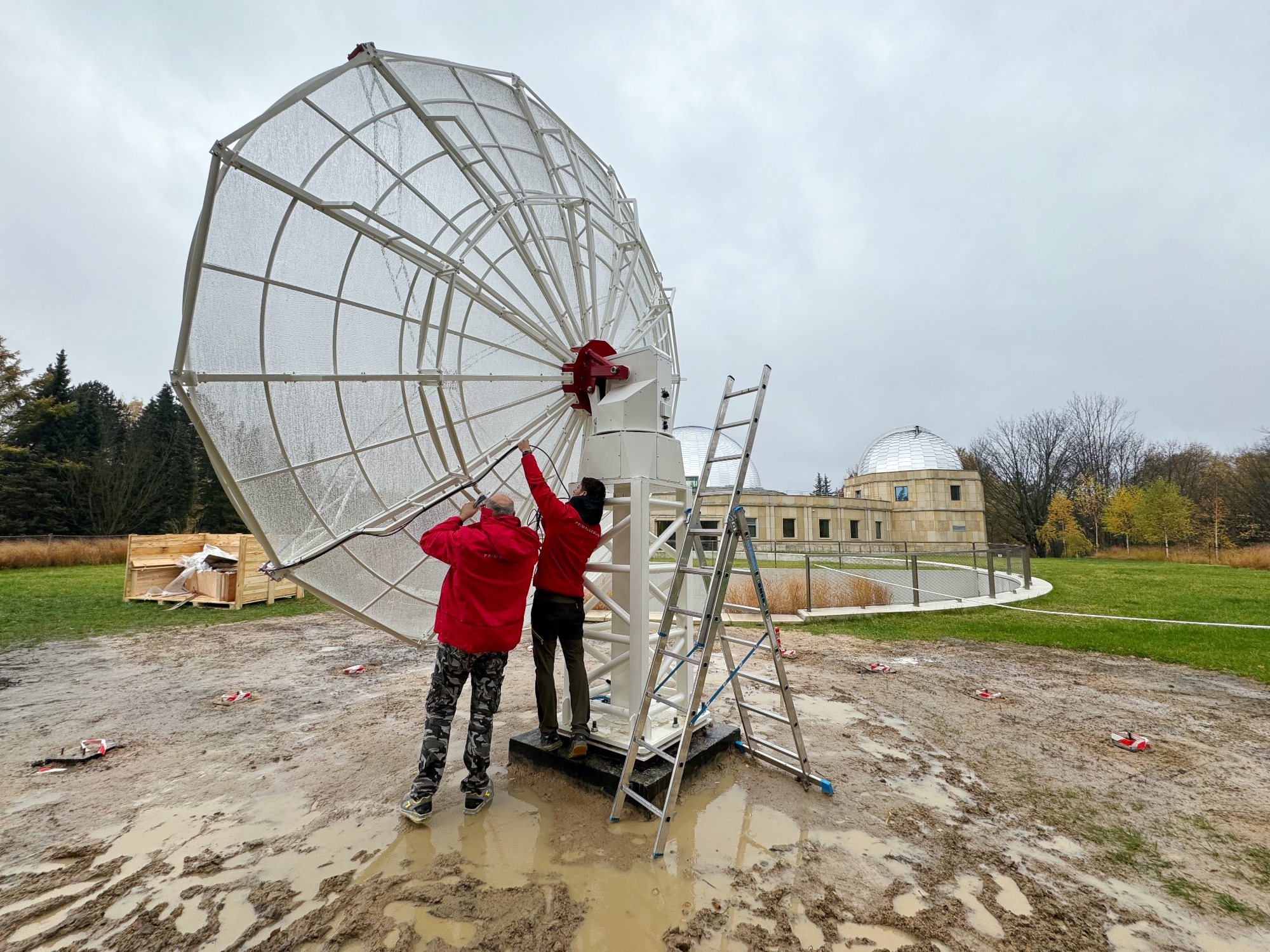
Our technicians assemble the antenna, prepare the control room, align the instrument on known sky radio sources and train your staff on RadioUniversePRO before leaving. If you prefer to install it yourself (only for SPIDER 230C and 300A), the manual and our remote support cover the full procedure.

System options
EXTEND THE SYSTEM WITH ACCESSORIES FOR SPIDER RADIO TELESCOPES
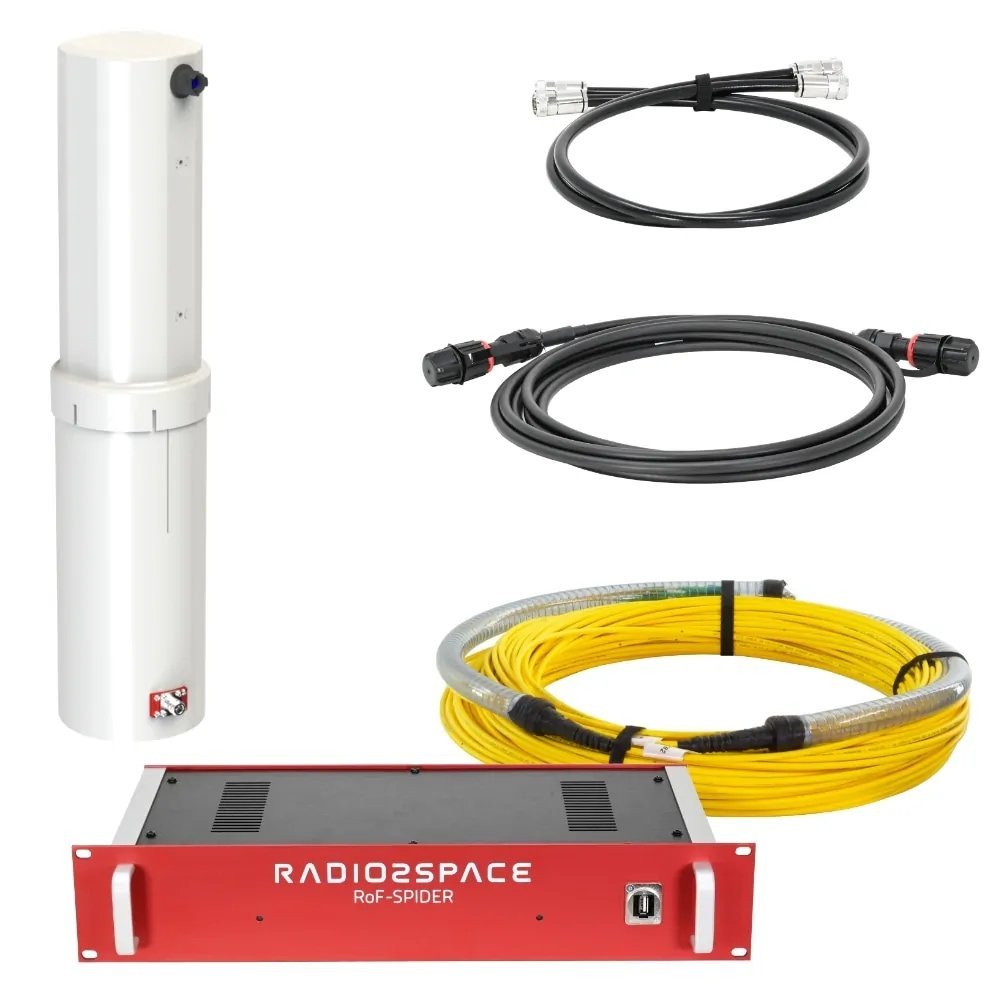
RADIO OVER FIBER: Replaces coaxial cable between amplifier and receiver, removing gain loss over distance and reducing interference.
MOUNT OVER FIBER: Controls the tracking system up to 2 km away over dedicated optical fiber.
NSGen-II NOISE GENERATOR: For absolute calibration, so you can calculate source flux in Jansky.
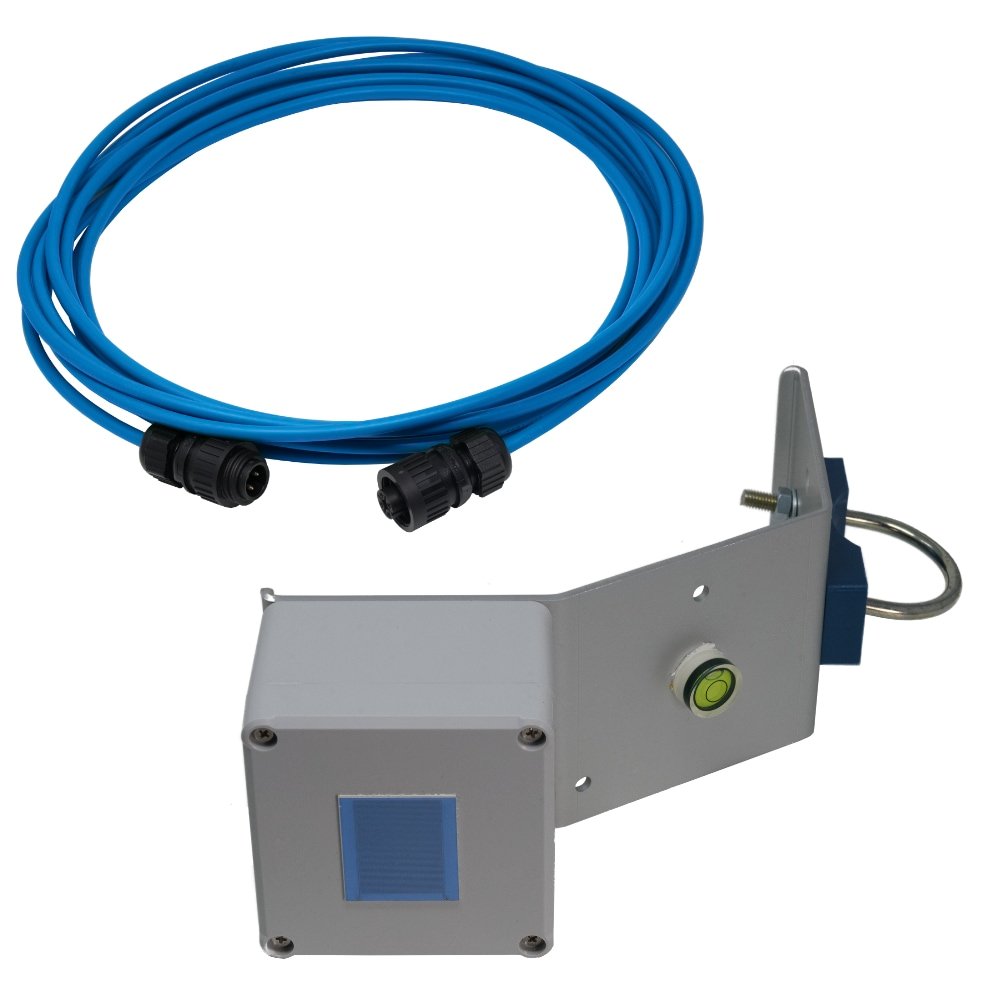
WIND SENSOR: Parks the antenna at zenith automatically when wind exceeds the safety threshold.
RK19 RACK, 24 UNITS: Houses receiver, control units and computer with power distribution and temperature controlled fans.
CMP-19 CONTROL COMPUTER: Rack format computer running RadioUniversePRO, same form factor as the rest of the chain.
WANT TO KNOW MORE ABOUT RADIO TELESCOPES AND RADIO ASTRONOMY?
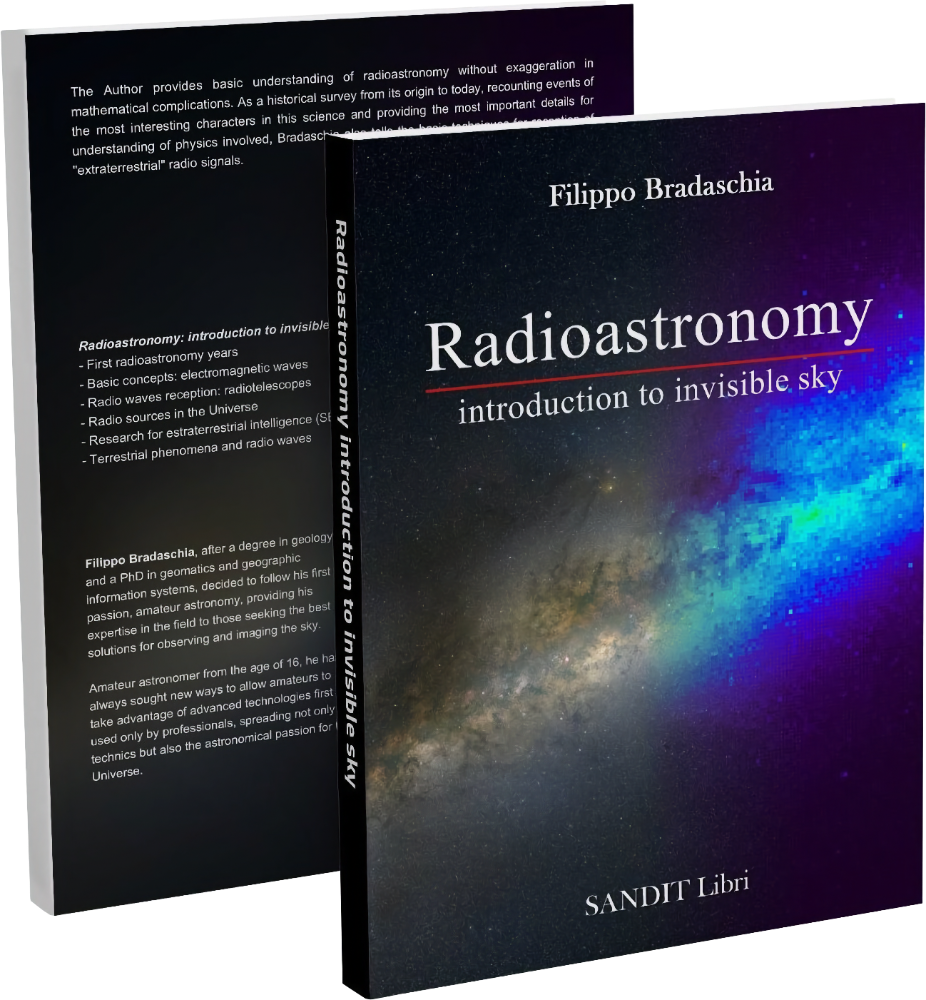
Radio astronomy: Introduction to invisible sky
Written by Filippo Bradaschia, co-founder of PrimaLuceLab. 192 pages that explain how radio telescopes work, what the sky looks like in radio waves, and why some of the most interesting objects in the universe are invisible to an optical telescope. It covers electromagnetic waves, how a radio telescope receives them, the radio sources of the universe, the search for extraterrestrial intelligence and the radio phenomena of our own atmosphere. Explained with illustrations and pictures, and without complicated formulas. It is the best place to start if you are preparing a course, writing a thesis proposal, or simply deciding whether radio astronomy belongs in your institute.
RADIO TELESCOPE QUESTIONS WE ARE ASKED MOST
Request a quote
REQUEST A QUOTE FOR YOUR RADIO TELESCOPE
Every installation is different, so we quote after we understand your site and your programme. Tell us where the antenna would stand, how far the control room is and what you want to observe.
Prefer to talk first? Call +39 0434 1696106 or write to our radio astronomy team.